Spay/neuter & TNR · Cattaraugus County, NY and across the US
Fund the surgery that ends a colony’s kitten season.
We pay spay/neuter and vet bills for community cats in Olean, Salamanca and rural Cattaraugus County, and make board-approved grants to partner rescues and TNR groups across the US.
There’s still time to give in 2026. Gifts made by December 31 are tax-deductible for this year, as allowed by law, and 90% of every gift pays for spay/neuter surgery and vet care.
Today is the last day to give in 2026. Gifts made today are tax-deductible for this year, as allowed by law, and 90% of every gift pays for spay/neuter surgery and vet care.
Every fixed cat means no more litters born outdoors. 90% of every gift pays for spay/neuter surgery and vet care; 10% covers traps, transport and running costs.
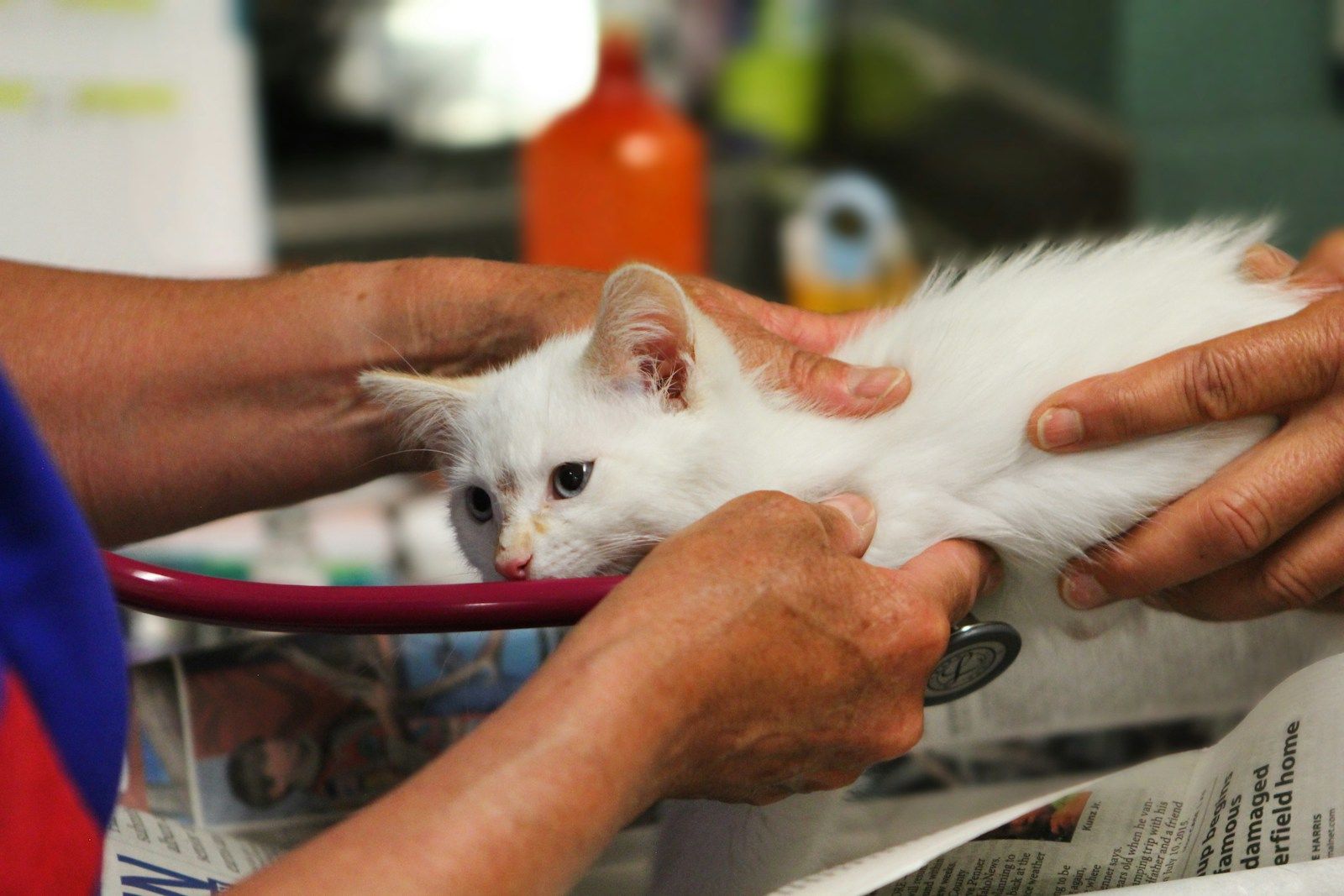
Spay/neuter, rabies vaccine and a left ear-tip at licensed clinics in Olean & Salamanca. In our county, the 90% pays the clinic directly.
03
Return & care
Cats go home to their colony, where caretakers feed and shelter them, and the colony stops growing.
Beyond Cattaraugus County, the same 90% funds board-approved grants to partner rescues and TNR groups across the US for spay/neuter surgery, vaccines and TNR costs. How partner grants work →
A fillable, printable log for fostering kittens from birth to 8 weeks: feeding, daily weights, meds and milestones, with sourced charts and emergency signs.
Your cat's health records, emergency numbers and a full sitter handover kit, with vet-sourced reference pages. Type into it on screen, or print it as often as you need.
Cat sitter instructions to fill in once and reuse every trip: routine, food and meds, house notes, who to call, a vet-care authorization and a daily visit log.
$5
All 4 for $19with The Cat Caretaker Bundle ($28 if bought separately)
How to build an insulated winter shelter for outdoor cats from storage totes or a foam cooler: the right size, straw (never hay), placement, safe heat and upkeep.
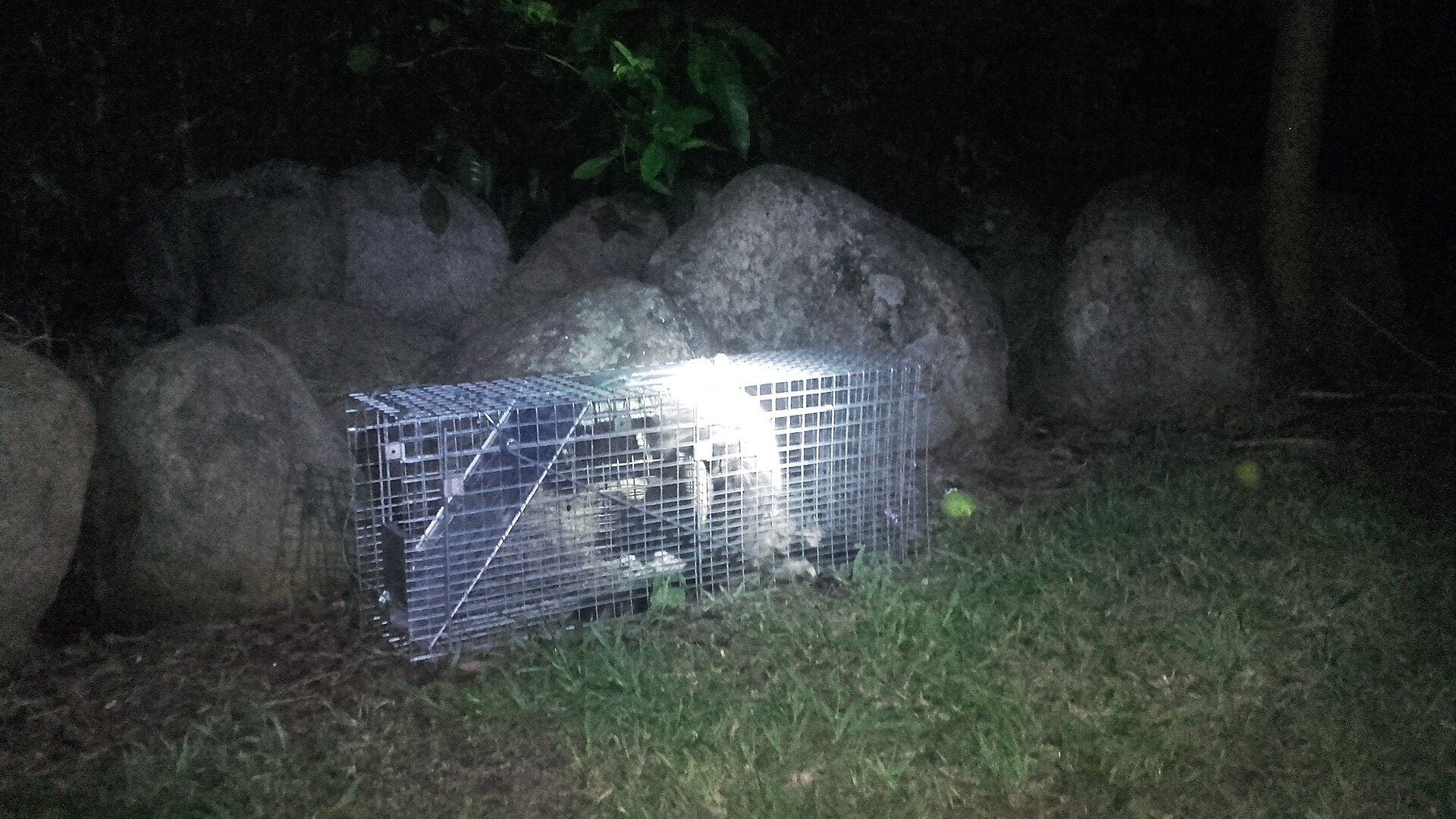
How to trap a feral or stray cat humanely for TNR: the right trap, trap training, bait, setting and covering the trap, what to do once a cat is caught, and tips for hard-to-trap cats.
What to feed stray and feral cats, how much and how often, the foods to avoid, a simple feeding station, and feeding through winter cold and summer heat.
Don’t wait for kitten season. Apply for spay/neuter vouchers and loaner humane traps. We aim to reply within two business days; for an injured cat, call or text (716) 200-1283.